Noise-cancelling headphones are everywhere. You see them on planes, in cafés, at the office, and even during daily walks. But with so many models, brands, and price ranges, choosing the right pair can feel overwhelming.
Do you really need active noise cancellation? Are expensive models worth it? And what features actually matter for everyday use?
This noise-cancelling headphones buying guide will walk you through everything you need to know—without hype, without technical jargon, and without unrealistic promises.
What Are Noise-Cancelling Headphones?
Noise-cancelling headphones are designed to reduce unwanted ambient sounds, such as engine noise, chatter, or traffic. They do this using Active Noise Cancellation (ANC) technology.
Active vs Passive Noise Cancellation
Passive noise isolation comes from the physical design (ear cups or ear tips blocking sound).
Active Noise Cancellation (ANC) uses microphones and sound waves to counter external noise.
Most modern noise-cancelling headphones combine both for better results.
Why Should You Consider Noise-Cancelling Headphones?
Not everyone needs ANC, but for many users, it’s a game changer.
Common Use Cases
Travel: Reduce airplane engine noise or train sounds
Remote work: Focus better in noisy environments
Studying: Minimize distractions
Music & podcasts: Enjoy cleaner audio at lower volumes
If you often find yourself turning up the volume just to drown out noise, ANC headphones can help protect your ears too.
Key Factors to Consider Before Buying
1. Sound Quality Comes First
Noise cancellation is important, but sound quality should never be an afterthought.
Look for:
Balanced audio (clear mids, controlled bass)
Support for high-quality codecs (AAC, LDAC, aptX if available)
Good performance even when ANC is turned off
A well-tuned pair will sound good across different genres, not just bass-heavy tracks.
2. Noise Cancellation Performance
Not all ANC systems are equal.
What ANC Does Well
Constant, low-frequency sounds (engines, air conditioning)
Background hum in offices or public transport
What ANC Struggles With
Sudden, sharp noises
Human voices (partially reduced, not eliminated)
Premium models usually offer adjustable ANC levels, which can be useful depending on your environment.
3. Comfort and Fit Matter More Than You Think
Even the best headphones are useless if they’re uncomfortable.
Check for:
Soft ear cushions
Adjustable headband
Lightweight design
Minimal clamping pressure
If you plan to wear them for hours, comfort should be a top priority.
4. Battery Life and Charging
Battery performance varies widely.
Typical ranges:
20–30 hours with ANC on (wireless)
30–50 hours with ANC off
Also consider:
Fast charging (e.g., 10 minutes = several hours)
USB-C charging
Battery performance over time
For frequent travelers, battery life can be a deciding factor.
5. Wired or Wireless?
Most modern noise-cancelling headphones are wireless, but wired options still exist.
Wireless Pros
Convenience
Freedom of movement
Smart features (apps, controls)
Wired Pros
No battery concerns
Often better for studio or home use
Many wireless models include a cable for passive wired listening.
6. Controls and Smart Features
Small features can make a big difference in daily use.
Popular features include:
Touch or physical controls
Transparency / ambient mode
Automatic pause when removed
Companion apps with EQ settings
Multi-device pairing
Ask yourself: will you actually use these features, or are they just nice extras?
Budget vs Premium Noise-Cancelling Headphones
Budget Models ($50–$150)
Pros
Affordable
Decent ANC for casual use
Good enough for commuting
Cons
Average sound quality
Less effective ANC
Basic build quality
Great for beginners or occasional use.
Mid-Range Models ($150–$300)
Pros
Noticeably better sound
More reliable ANC
Better comfort and materials
Cons
Some premium features missing
This range offers the best value for most users.
Premium Models ($300+)
Pros
Excellent noise cancellation
High-end sound tuning
Premium comfort and materials
Advanced smart features
Cons
High price
Diminishing returns for casual listeners
Ideal for frequent travelers and audio enthusiasts.
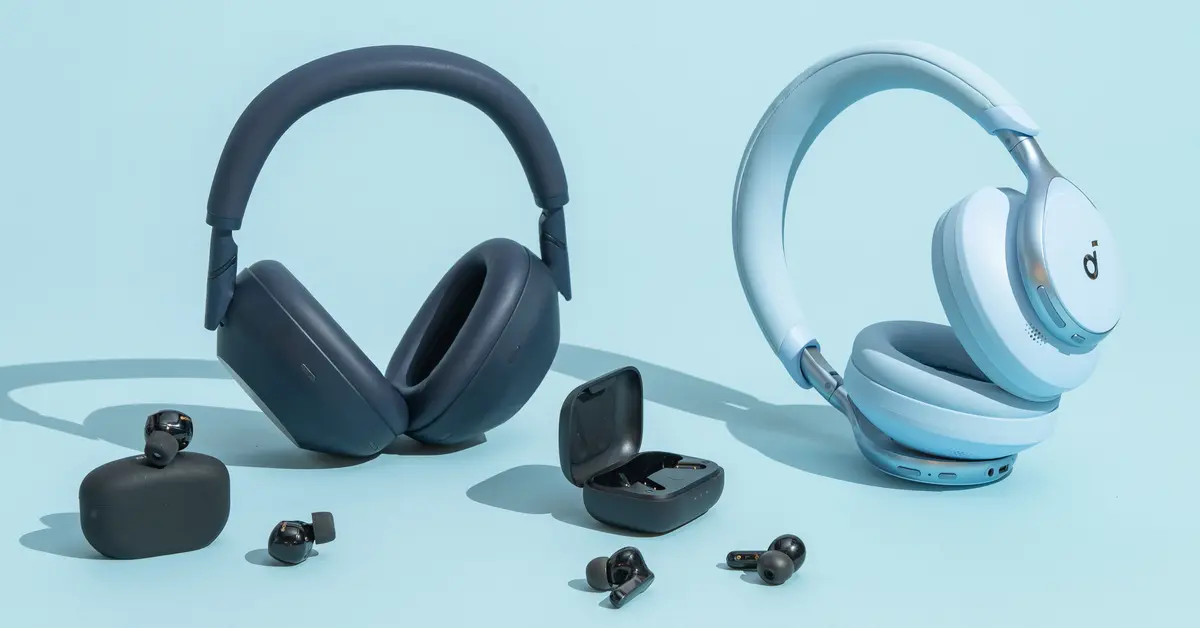
Over-Ear vs On-Ear vs In-Ear ANC
Over-Ear Headphones
Best ANC performance
Most comfortable for long sessions
Bulky but immersive
On-Ear Headphones
More portable
Less effective ANC
Can become uncomfortable over time
In-Ear (Earbuds)
Extremely portable
Good ANC for size
Shorter battery life
Choose based on how and where you’ll use them most.
Common Mistakes to Avoid
Buying solely based on brand name
Ignoring comfort and fit
Overpaying for features you won’t use
Expecting total silence (ANC isn’t magic)
A balanced decision always beats impulse buying.
FAQ – Noise-Cancelling Headphones Buying Guide
Do noise-cancelling headphones damage your ears?
No. When used properly, they can actually reduce listening fatigue by allowing lower volume levels.
Are noise-cancelling headphones worth it for home use?
Yes, especially if you live in a noisy environment or work from home.
Can I use ANC headphones without music?
Absolutely. Many people use them purely for noise reduction.
How long do noise-cancelling headphones last?
With proper care, most quality models last several years, though battery performance may decline over time.
Conclusion: Choosing the Right Noise-Cancelling Headphones
There’s no single “best” option for everyone. The right pair depends on your lifestyle, budget, and expectations.
If you travel often, invest in strong ANC and comfort.
If you commute daily, focus on portability and battery life.
If you work from home, balance sound quality and comfort.
Take your time, compare features realistically, and choose what fits your needs—not just what’s trending.
👉 Next step: Make a shortlist of 2–3 models in your budget and compare real user reviews before buying.