Smart home technology sounds great on paper. But in reality, not every connected gadget truly improves your day-to-day life. Some are impressive demos that end up collecting dust after a few weeks.
So which devices are actually worth it?
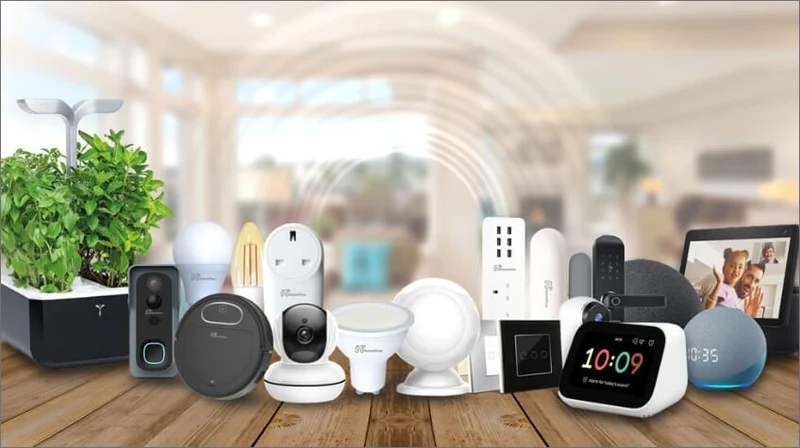
This Top 10 list of the best smart home devices focuses on practicality, reliability, and real-world usefulness. No gimmicks. No unnecessary complexity. Just smart tech that makes everyday living a little easier.
What Makes a Smart Home Device Worth Buying?
Before jumping into the list, it’s important to set clear expectations.
A good smart home device should:
- Solve a real problem
- Be easy to set up and use
- Save time, energy, or effort
- Integrate well with other devices
- Work reliably without constant troubleshooting
If it doesn’t meet at least some of these criteria, it’s probably not worth the investment.
Top 10 Best Smart Home Devices
- Smart Speakers (Voice Assistants)
Smart speakers remain the foundation of most smart homes.
Why they matter:
- Hands-free control of devices
- Quick access to information
- Simple automation triggers
They’re especially useful for managing routines, timers, reminders, and controlling other smart devices without reaching for your phone.
- Smart Lighting Systems
Smart lights are one of the easiest upgrades with immediate benefits.
Key advantages:
- Control lights remotely
- Schedule lighting automatically
- Adjust brightness and color
- Reduce energy waste
Once you get used to lights turning on automatically, going back feels surprisingly outdated.
- Smart Thermostats
A smart thermostat quietly works in the background to optimize comfort and efficiency.
Why it’s worth it:
- Learns your habits
- Adjusts temperature automatically
- Helps reduce energy consumption
- Offers remote control via app
Over time, it can contribute to noticeable energy savings without sacrificing comfort.
- Smart Plugs
Smart plugs are small, affordable, and extremely versatile.
What they can do:
- Turn regular devices into smart ones
- Schedule on/off times
- Monitor energy usage (on some models)
They’re perfect for lamps, coffee makers, fans, or holiday lights.
- Robot Vacuum Cleaners
Robot vacuums have evolved significantly in recent years.
Why people love them:
- Automated daily cleaning
- App-based control
- Scheduled cleaning routines
While they don’t fully replace deep cleaning, they dramatically reduce daily dust and debris.
- Smart Security Cameras
Home security is one area where smart technology truly shines.
Useful features include:
- Motion detection alerts
- Live video access
- Cloud or local storage options
- Night vision
They offer peace of mind whether you’re at home or away.
- Video Doorbells
Smart doorbells have become increasingly common—and for good reason.
Benefits:
- See who’s at your door remotely
- Two-way audio communication
- Motion alerts
They’re especially useful for package deliveries and home security.
- Smart Locks
Smart locks add convenience without removing traditional security.
Why they’re practical:
- Keyless entry
- Temporary access for guests
- Activity logs
- Remote locking and unlocking
You can still use a physical key, but you may find yourself rarely needing it.
- Smart Power Strips
Often overlooked, smart power strips offer better control over multiple devices.
Use cases:
- Control several devices at once
- Reduce standby power consumption
- Automate entertainment systems
They’re ideal for home offices and media setups.
- Smart Smoke and CO Detectors
Safety devices may not be exciting—but they’re among the most important.
Why they stand out:
- Instant alerts on your phone
- Self-testing features
- Long-lasting batteries
They provide critical information when it matters most.
Common Smart Home Mistakes to Avoid
- Buying too many devices at once
- Ignoring compatibility between platforms
- Over-automating simple tasks
- Choosing price over reliability
A smart home should feel helpful, not overwhelming.
How to Build a Smart Home Gradually
You don’t need to transform your home overnight.
Smart approach:
- Start with a smart speaker
- Add lighting or plugs
- Expand into climate or security
- Automate routines gradually
This method keeps costs manageable and reduces frustration.
FAQ – Best Smart Home Devices
Are smart home devices safe to use?
Reputable brands follow security standards, but users should always update firmware and use strong passwords.
Do smart devices increase electricity usage?
Most consume very little power, and many help reduce overall energy use through automation.
Do I need technical skills to set up a smart home?
No. Most devices are designed for everyday users with guided setup via mobile apps.
Can smart home devices work without internet?
Some basic functions may work locally, but most features require an internet connection.
Conclusion: Smart Technology That Actually Helps
The best smart home devices aren’t about showing off technology—they’re about making daily life smoother, safer, and more efficient.
By focusing on practical benefits instead of trends, you can build a smart home that genuinely works for you.
👉 Next step: Start with one device that solves a real problem in your home, then expand from there.